
Introduction
When I first started working on design projects, I used to believe content was the main thing. If the idea was strong enough, the design would naturally support it. That was my mindset for a long time.
But over time, I realized something that completely changed how I approach design. People don’t experience content first. They experience visuals first.
And that first moment decides almost everything.
Not slowly. Not after reading. Almost instantly.
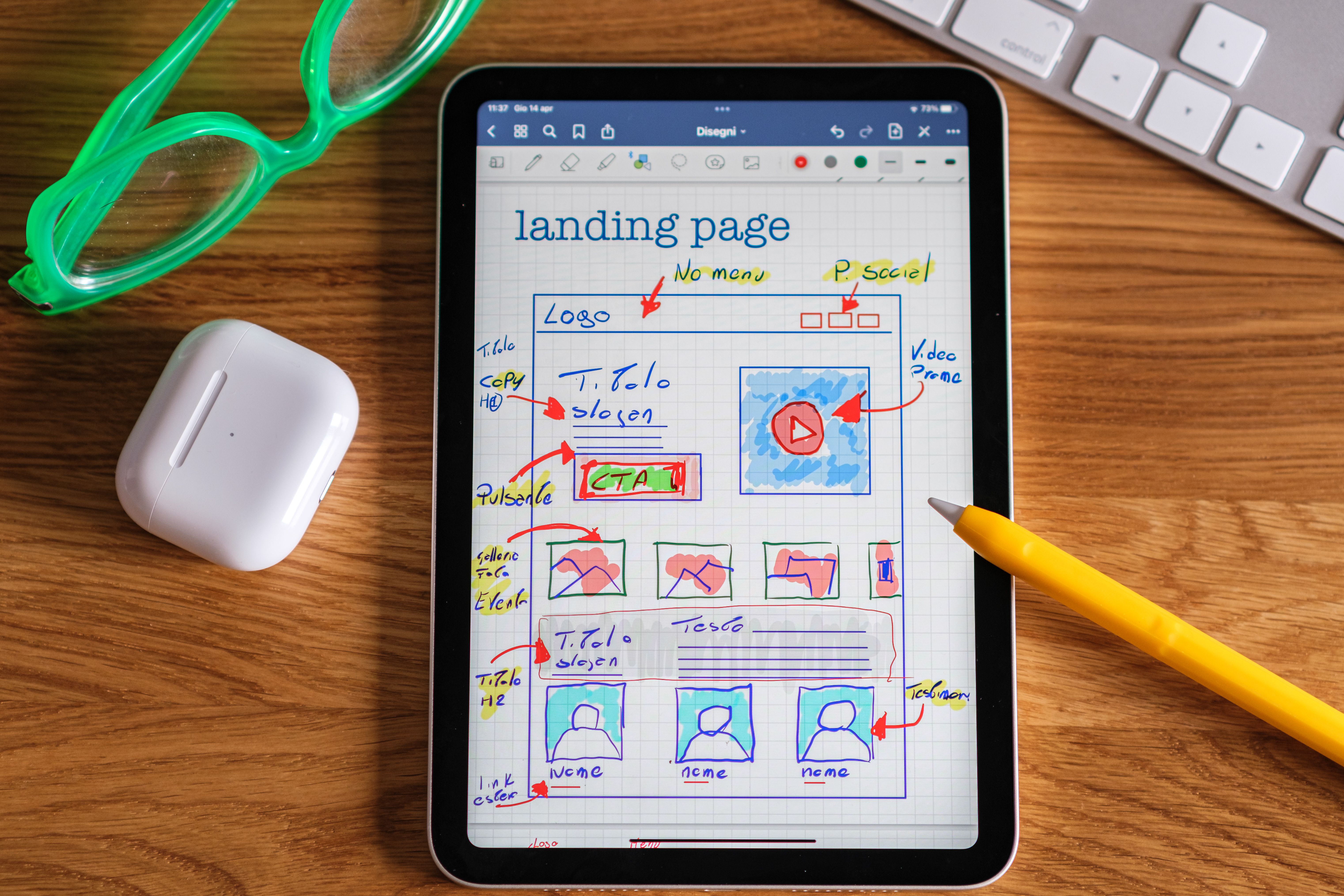
First impressions happen faster than we think
One of the biggest mistakes I made early on was underestimating how quickly users judge a design.
People don’t carefully read a page when they land on it. They scan it. Rapidly. In seconds, sometimes in under a few.
This behavior is tied to how the brain works. Before logic even activates, the visual system starts analyzing structure, balance, and clarity. The brain is basically trying to decide one thing:
“Is this worth my time?”
And it decides that before a single word is read.
Users immediately pick up on layout structure, spacing rhythm, typography hierarchy, color balance, and alignment consistency. Even if they don’t consciously notice these things, their brain does.
I’ve experienced this in my own work more times than I can count. I would spend a lot of time perfecting the content, improving messaging, and refining wording. But if the layout didn’t guide the eye properly, users would leave before ever reading it.
That taught me something important:
Design is not the wrapper of content. It is the entry point of content.
If the entry feels weak, the content never gets a chance.
Visuals create meaning before words do
Every design communicates something before a single sentence is read.
This is something I didn’t fully understand at first. I thought visuals were just about aesthetics. But visuals actually set expectations.
A structured, minimal layout signals clarity and professionalism. A busy or inconsistent layout signals confusion or lack of attention. Strong typography creates authority. Light and open spacing creates calmness. High contrast creates focus and urgency.
None of this needs reading. It is instant perception.
This is where design becomes psychological.
Users are not just seeing a page. They are interpreting it emotionally within seconds.
Once I understood this, my design thinking changed. I stopped focusing on “making things look good” and started focusing on:
“What story is this layout telling before any words appear?”
Because even silence in design is communication.
Visual hierarchy is what actually guides attention
One thing that completely changed my approach was understanding visual hierarchy properly.
Hierarchy is not just making headings bigger. It’s about controlling attention flow.
Good hierarchy answers three questions instantly:
- What should I look at first?
- What matters most here?
- Where should my eyes go next?
This is achieved through:
- Size differences
- Spacing relationships
- Contrast levels
- Weight and typography style
- Positioning on the screen
When hierarchy is done well, users don’t feel like they are “reading.” They feel like they are being guided naturally.
But when hierarchy is missing, everything competes for attention. And when everything competes, nothing wins.
That’s when users feel overwhelmed and leave.
I started realizing that good design doesn’t force attention. It directs it quietly.
Cognitive load: why messy design pushes users away
Another concept that changed my thinking is cognitive load.
Cognitive load basically means how much mental effort something requires to understand.
When a design is clean and structured, cognitive load is low. The brain processes it easily.
But when a design is cluttered, inconsistent, or visually noisy, cognitive load increases. The brain has to work harder just to understand basic structure.
And here’s the important part:
Users don’t like effort unless they have to give it.
So instead of trying harder, they leave.
This is why spacing, grouping, alignment, and consistency are not just “design details.” They directly affect whether a user stays or not.
Good design reduces thinking. Bad design increases it.
Trust is emotional before it becomes logical
This was one of the most interesting realizations for me.
Users decide whether something feels trustworthy almost instantly, long before they understand the content.
And this decision is not logical at first. It is emotional and visual.
Things like:
- Consistent spacing
- Clean alignment
- Balanced typography
- Predictable structure
- Subtle color usage
All of these create a sense of stability.
On the other hand:
- Misaligned elements
- Too many font styles
- Random spacing
- Weak contrast
These create doubt, even if the content is solid.
I once redesigned a project where I didn’t change the core content at all. I only improved structure, spacing, and typography consistency.
The difference in engagement was not small. People stayed longer, interacted more, and scrolled deeper.
That’s when it became clear to me:
Trust starts visually. Content only confirms it later.

Above-the-fold is where decisions are made
Another thing I learned is how important the first visible screen actually is.
Most users decide whether to stay or leave within the first few seconds of landing on a page. That means the top section carries a huge responsibility.
It has to do multiple things at once:
- Set context
- Create clarity
- Establish visual tone
- Guide attention
- Reduce confusion instantly
If this section fails, the rest of the page often never gets seen.
That’s why I now treat it as the “decision zone” rather than just an introduction.
It is not about decoration. It is about clarity and direction.
Final thoughts
The more I work with design, the more I understand that visuals are not surface-level.
They shape perception before logic even begins. They influence behavior before content is read. And they decide whether someone continues or leaves within seconds.
First impressions are not just a small part of design. They are the foundation everything else depends on.
And once I understood that, I stopped designing just for appearance.
I started designing for clarity, emotion, and how people actually experience things in real time.
Post a Comment